Trump–Zelensky Rift Deepens as Ukraine Faces Growing Uncertainty Over US Support
Growing disagreements between Washington and Kyiv over Russian energy sanctions, military assistance and strategic priorities raise questions about the future of American support for Ukraine.
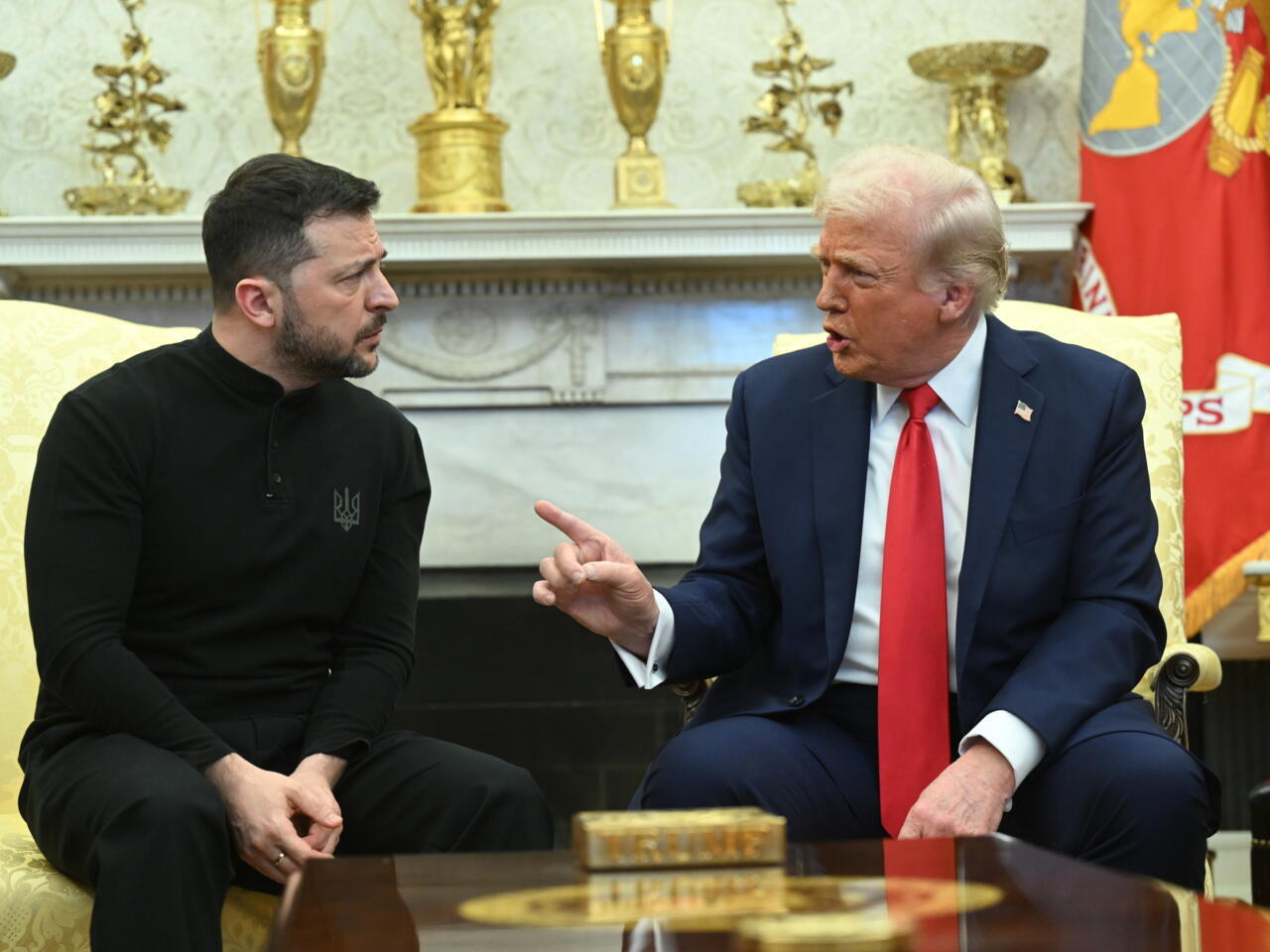
The relationship between the United States and Ukraine has entered another period of serious strain, with disagreements between President Donald Trump and Ukrainian President Volodymyr Zelensky threatening to complicate Kyiv's defense against Russia at a critical moment in the war.
The immediate dispute extends far beyond the personalities of the two leaders. It encompasses Russian oil exports, American energy prices, Ukrainian attacks on Russian refineries, satellite communications and the future of Western military assistance.
At the center of the confrontation is a question that could shape the next phase of the conflict: can Ukraine continue to rely on Washington as its principal strategic partner while American domestic priorities increasingly influence decisions about the war?
Energy prices become a diplomatic flashpoint
The latest tensions intensified after Trump criticized Ukrainian strikes against Russian oil infrastructure, arguing that disruptions to energy supplies were contributing to high fuel prices.
Kyiv views these attacks differently. Ukrainian officials regard Russian refineries and fuel infrastructure as important components of Moscow's military economy, making them legitimate strategic targets when connected to Russia's war effort.
The disagreement has become especially consequential as Washington seeks ways to contain energy prices ahead of November's congressional midterm elections.
On October 17, Reuters reported that Trump had waived key Russia-related sanctions and tariffs shortly before they were due to take effect. Zelensky criticized the decision, warning that reducing economic pressure on Moscow could weaken efforts to bring Russia to negotiations.
The dispute illustrates an increasingly difficult intersection of domestic economics and international security. Measures designed to stabilize American fuel prices may also reduce pressure on an adversary that Washington and its European partners have spent years trying to constrain.
Intelligence and satellite communications raise concerns
The uncertainty extends to military cooperation.
Ukraine relies heavily on Western intelligence and advanced communications systems to detect incoming threats, coordinate defensive operations and maintain situational awareness across the battlefield.
Recent disruptions involving Starshield, the military-grade satellite communications service associated with SpaceX, have intensified concerns about Ukraine's dependence on technologies controlled by American companies and influenced by US government decisions.
Reuters reported that Ukraine's Starshield service was disrupted and subsequently partially restored. The circumstances have added to questions about the resilience of Ukraine's communications infrastructure.
Any sustained interruption to intelligence sharing or communications could create serious operational difficulties, particularly as Russia continues to target Ukrainian energy facilities ahead of winter.
Washington has maintained that intelligence cooperation continues, but Ukrainian officials have described warnings that assistance could be reduced.
The distinction between a temporary disruption and a lasting policy shift remains crucial.
Europe's growing responsibility
European governments now face the possibility that maintaining Ukraine's defensive capabilities will require a greater financial and military commitment.
At meetings in Brussels, European leaders discussed further support for Kyiv as Ukraine confronted mounting budgetary pressures and continued Russian attacks.
The challenge is not simply replacing American funding. Some US capabilities, particularly specialized intelligence, military technology and advanced weapons systems, cannot be substituted immediately.
European governments must therefore balance urgent battlefield requirements against longer-term plans to strengthen their own defense industries and strategic autonomy.
For Ukraine, this creates a difficult diplomatic calculation. Kyiv must preserve its relationship with Washington while securing enough European assistance to withstand any further deterioration in American support.
Could Moscow benefit from the disagreement?
Russia stands to gain strategically if disagreements among Ukraine's principal supporters translate into weaker military assistance or reduced sanctions pressure.
That does not necessarily mean Washington has decided to abandon Kyiv. Trump has continued to express an interest in negotiating an end to the war, and Ukrainian officials have indicated that dialogue with American representatives remains possible.
Nevertheless, uncertainty itself can have consequences.
If Moscow believes Western unity is weakening, it may have less incentive to compromise quickly. Conversely, a coordinated European response could limit the strategic benefits Russia might otherwise obtain from tensions between Washington and Kyiv.
A defining test for Ukraine
The coming months will test whether the current dispute represents another temporary diplomatic crisis or a more fundamental change in American policy.
Three developments will be particularly important: whether US intelligence cooperation continues without significant restrictions, whether Washington resumes stronger sanctions pressure on Russia, and whether European governments can deliver sufficient military and financial assistance.
For Ukraine, the stakes are immediate. The country faces another winter of Russian attacks while navigating uncertainty over the policies of its most powerful partner.
For the wider international system, the dispute raises a broader question about the reliability of security relationships when domestic economic pressures collide with strategic commitments.
The outcome may determine not only Ukraine's position on the battlefield but also the future balance of responsibility for European security.
Sources
Follow our reporting: Add Faultline Brief as a Preferred Source on Google →