Russia Seeks Diplomatic Opening in Iran War as Lavrov Visits Tehran
Russian Foreign Minister Sergey Lavrov's visit to Tehran highlights Moscow's efforts to expand its diplomatic influence in the Middle East as the Iran conflict, maritime insecurity and stalled negotiations with Washington deepen regional uncertainty.
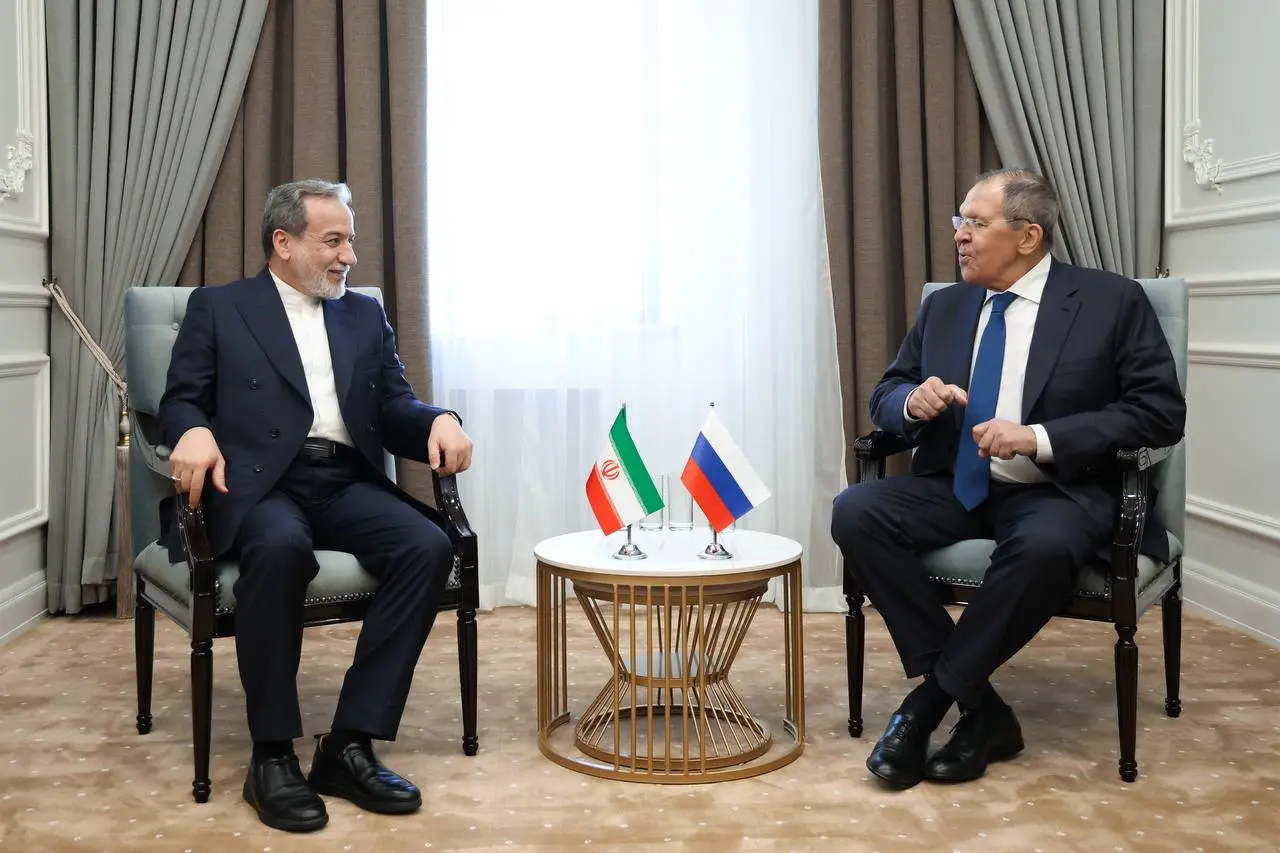
Russian Foreign Minister Sergey Lavrov's visit to Tehran has brought renewed attention to Moscow's diplomatic ambitions in the Middle East, as Russia seeks a greater role in efforts to address the widening conflict involving Iran and the United States.
The visit comes amid continuing military tensions, disruptions to commercial shipping and uncertainty over prospects for renewed negotiations between Tehran and Washington.
For Moscow, the crisis presents both a diplomatic opportunity and a strategic challenge. Russia maintains close political and security ties with Iran while seeking to preserve its broader influence across the Middle East.
Lavrov's discussions in Tehran are expected to focus on regional security, diplomatic coordination and the possibility of reducing tensions through negotiations.
Moscow's Growing Diplomatic Ambitions
Russia has repeatedly called for a political settlement to the Iran crisis, arguing that military escalation risks destabilizing the wider Middle East.
Moscow's relationship with Tehran has strengthened in recent years, particularly through defense cooperation, economic ties and shared opposition to Western sanctions.
However, Russia's position is complicated by its continuing war in Ukraine and its relationships with other regional powers, including Saudi Arabia, the United Arab Emirates and Israel.
The Kremlin must balance its strategic partnership with Iran against the risks of becoming more deeply involved in a confrontation that could threaten regional energy markets and international trade.
A diplomatic role in the Iran conflict could allow Moscow to present itself as an influential international mediator despite its confrontation with Western governments over Ukraine.
The Strait of Hormuz Crisis
Maritime security is among the most urgent issues surrounding the current confrontation.
The Strait of Hormuz is one of the world's most strategically important shipping corridors, connecting major Gulf energy exporters with international markets.
Attacks on commercial vessels and the threat of further disruption have raised concerns among shipping operators, insurers and governments dependent on Gulf oil and gas supplies.
Continued insecurity could increase transportation costs, disrupt supply chains and contribute to volatility in global energy markets.
For Russia, the economic consequences are complex.
As a major energy exporter, Moscow could benefit from higher international oil prices. Yet prolonged instability could also disrupt trade relationships and deepen uncertainty in global markets.
The situation underscores how the Iran conflict has evolved beyond a regional military confrontation into a wider international security and economic challenge.
Iran's Diplomatic Calculations
For Tehran, Russian diplomatic support offers an important counterweight to pressure from Washington.
Iran has sought to strengthen relations with countries willing to challenge or resist US-led sanctions and diplomatic isolation.
Russia's participation in negotiations could provide Tehran with additional diplomatic leverage, particularly if Moscow helps facilitate communication with other international powers.
However, Iranian leaders must also assess whether Russia can deliver meaningful diplomatic results.
Moscow's ability to influence American policy remains uncertain, while its own strategic interests may not always align with Tehran's priorities.
Iran's central concerns include its national security, sanctions relief and the future of regional military arrangements.
Any serious diplomatic initiative would have to address these issues alongside the security of international shipping.
Washington and the Limits of Mediation
Russia's efforts to position itself as a diplomatic intermediary face a significant obstacle: relations between Moscow and Washington remain strained over Ukraine and broader international security disputes.
Although direct communication between Russian and American officials continues, their disagreements over sanctions, military operations and European security limit the scope for cooperation.
Washington may also question whether Moscow can act as an effective mediator while maintaining close strategic ties with Tehran.
Nevertheless, major international crises have sometimes created opportunities for limited cooperation between rival powers.
A diplomatic process involving Russia could become relevant if Washington and Tehran conclude that direct negotiations alone are insufficient to prevent further escalation.
The immediate challenge would be establishing a framework acceptable to both sides.
Wider Implications for the Middle East
The Iran conflict has increasingly drawn the attention of regional governments concerned about energy security, military escalation and the stability of critical trade routes.
Saudi Arabia and other Gulf states have strong incentives to prevent further disruption to shipping and energy infrastructure.
China, another major partner of Iran and an important importer of Gulf energy, also has a significant interest in regional stability.
Russia's diplomatic engagement therefore takes place within a broader competition for influence among international powers seeking to shape the Middle East's security environment.
Moscow's challenge will be to demonstrate that its relationship with Tehran can contribute to de-escalation rather than simply reinforce existing geopolitical divisions.
What Comes Next
Lavrov's Tehran visit is unlikely, by itself, to resolve the underlying disputes driving the Iran conflict.
The prospects for meaningful progress depend on whether Tehran and Washington are prepared to explore a negotiated arrangement and whether regional governments can help reduce the risk of further military confrontation.
Russia may seek to facilitate discussions, coordinate positions with Iran or present diplomatic proposals to other international actors.
Yet any initiative will be judged by tangible outcomes, including reduced military escalation, improved maritime security and progress toward negotiations.
The central question is whether Moscow can turn its diplomatic access to Tehran into practical influence over the conflict—or whether Russia's involvement will remain another element of the wider geopolitical rivalry surrounding the Middle East.
Sources
Follow our reporting: Add Faultline Brief as a Preferred Source on Google →