Putin Pushes for New European Security Framework as Ukraine Peace Talks Near
Russia says renewed US-mediated peace negotiations must address security guarantees for Moscow and Kyiv, as territorial disputes and continuing military strikes threaten diplomatic progress.
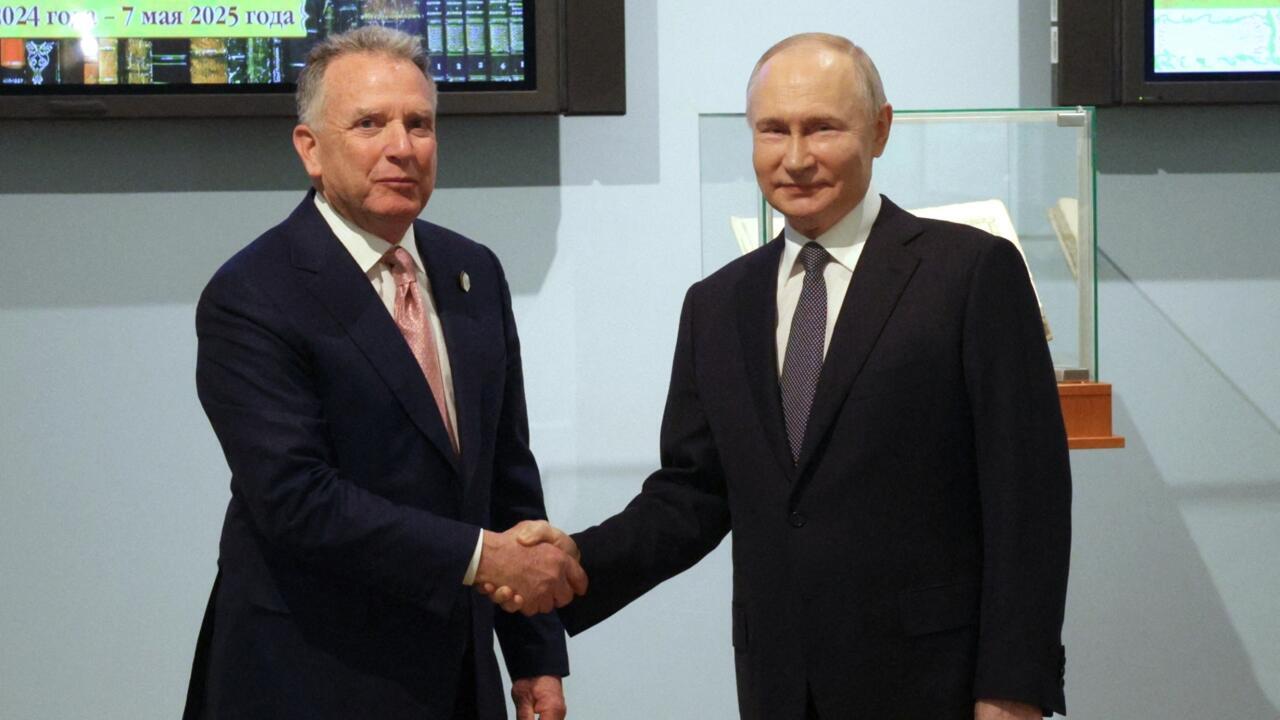
Russian President Vladimir Putin has called for future peace negotiations with Ukraine to address not only an end to the fighting but also the broader security architecture of Europe, signalling that Moscow intends to place its long-standing strategic demands at the centre of renewed US-mediated diplomacy.
Speaking on Russian television on Thursday, Putin said Russia was prepared to resume talks with Ukraine next month following discussions with US presidential envoy Steve Witkoff.
His remarks came as Washington renewed diplomatic contacts with Moscow and Kyiv in an effort to revive negotiations that had stalled earlier this year.
Moscow Seeks a Wider Security Settlement
Putin argued that any agreement should establish lasting security arrangements for both Russia and Ukraine rather than produce another temporary ceasefire.
He also indicated that discussions should extend beyond the immediate battlefield to encompass Europe's wider security framework.
The position reflects Moscow's longstanding argument that the conflict cannot be resolved without addressing Russia's concerns about the European security order.
However, any such negotiations would face fundamental disagreements over sovereignty, territorial control and the right of European countries to determine their own security arrangements.
Kyiv Signals Readiness for Negotiations
Ukrainian President Volodymyr Zelenskyy has also expressed readiness to participate in renewed talks.
Following his own meeting with Witkoff in Norway, Zelenskyy indicated that Kyiv supported proposals for a ceasefire, measures to halt attacks on energy infrastructure and humanitarian initiatives.
Ukraine's willingness to engage does not mean that the two sides have narrowed their differences over territory.
Russia continues to demand control over the entirety of the eastern Donbas region, including territory Ukrainian forces still hold. Kyiv rejects surrendering those areas.
The competing positions suggest that negotiations could begin without an agreed framework for resolving the war's most contentious issues.
Military Escalation Continues
Diplomatic activity has unfolded alongside continuing strikes by both sides.
On Thursday, Russian missile attacks wounded civilians in Kyiv and damaged infrastructure, according to Ukrainian authorities. Ukrainian drones were also launched towards Moscow and other Russian regions.
The simultaneous escalation highlights the gap between renewed diplomatic engagement and conditions on the battlefield.
Both sides retain military capabilities that could influence their negotiating positions, while continued attacks risk undermining confidence in any prospective agreement.
Why It Matters
Putin's emphasis on European security architecture suggests that Moscow may seek an agreement extending beyond a bilateral Russia–Ukraine settlement.
Such an approach could draw European governments more directly into negotiations over future security guarantees, military deployments and regional stability.
For Ukraine, the central challenge remains securing a durable peace without accepting territorial concessions that undermine its sovereignty.
For Washington, renewed mediation presents an opportunity to restart diplomacy, but the competing demands of Moscow and Kyiv make a breakthrough uncertain.
The coming weeks will reveal whether the proposed negotiations can move beyond expressions of willingness to talk and produce a framework acceptable to the parties.
What comes next: The immediate indicators will be confirmation of a negotiating date, the participation of Ukrainian and Russian representatives, and whether the parties can agree on preliminary ceasefire or humanitarian measures.
Sources
Follow our reporting: Add Faultline Brief as a Preferred Source on Google →