Iran Holds Firm on US War Demands After Saudi Arabia, Pakistan and Turkey Peace Talks
Tehran agrees to continue regional security talks but maintains its conditions for ending the conflict with Washington, as fresh Houthi attacks on Saudi Arabia threaten diplomatic progress.
Iran has signaled that its conditions for ending the war with the United States remain unchanged following high-level peace talks with Saudi Arabia, Pakistan and Turkey, highlighting the challenges facing a new regional diplomatic initiative. Iranian security chief Mohsen Rezaei met Supreme Leader Mojtaba Khamenei on Tuesday, a day after officials from the three countries visited Tehran seeking to reduce tensions and prevent further military escalation.
The meeting with Khamenei underscored the limits of Monday's diplomatic progress. Although Iran and the three visiting countries agreed to continue discussions on regional peace and security, there was no announcement of a ceasefire, a formal non-aggression agreement or a breakthrough in US-Iran negotiations.
The diplomatic initiative also faces an immediate security challenge. Saudi-led coalition forces reported intercepting additional missiles and drones launched by Yemen's Houthi movement, demonstrating how violence across the region could undermine attempts to establish a broader security understanding.
Iran's Leadership Signals Continuity After Tehran Talks
According to Iranian state media, Khamenei emphasized the importance of protecting Iran's national interests and maintaining its conditions for ending the conflict.
The discussions between Khamenei and Rezaei also addressed security in the Strait of Hormuz and relations with neighboring countries.
Iran's position is significant because the Tehran meeting had raised expectations that regional governments might help restart negotiations between Washington and Tehran.
Iranian officials have demanded an end to the US naval blockade of Iranian ports and the lifting of sanctions affecting Iranian oil exports. Washington, meanwhile, has insisted on restrictions on Iran's nuclear enrichment activities as part of any lasting settlement.
These disagreements remain central obstacles to a negotiated resolution.
The latest statements suggest Tehran is prepared to maintain diplomatic contact with regional governments without immediately relaxing its demands toward the United States.
What Did Saudi Arabia, Pakistan and Turkey Achieve?
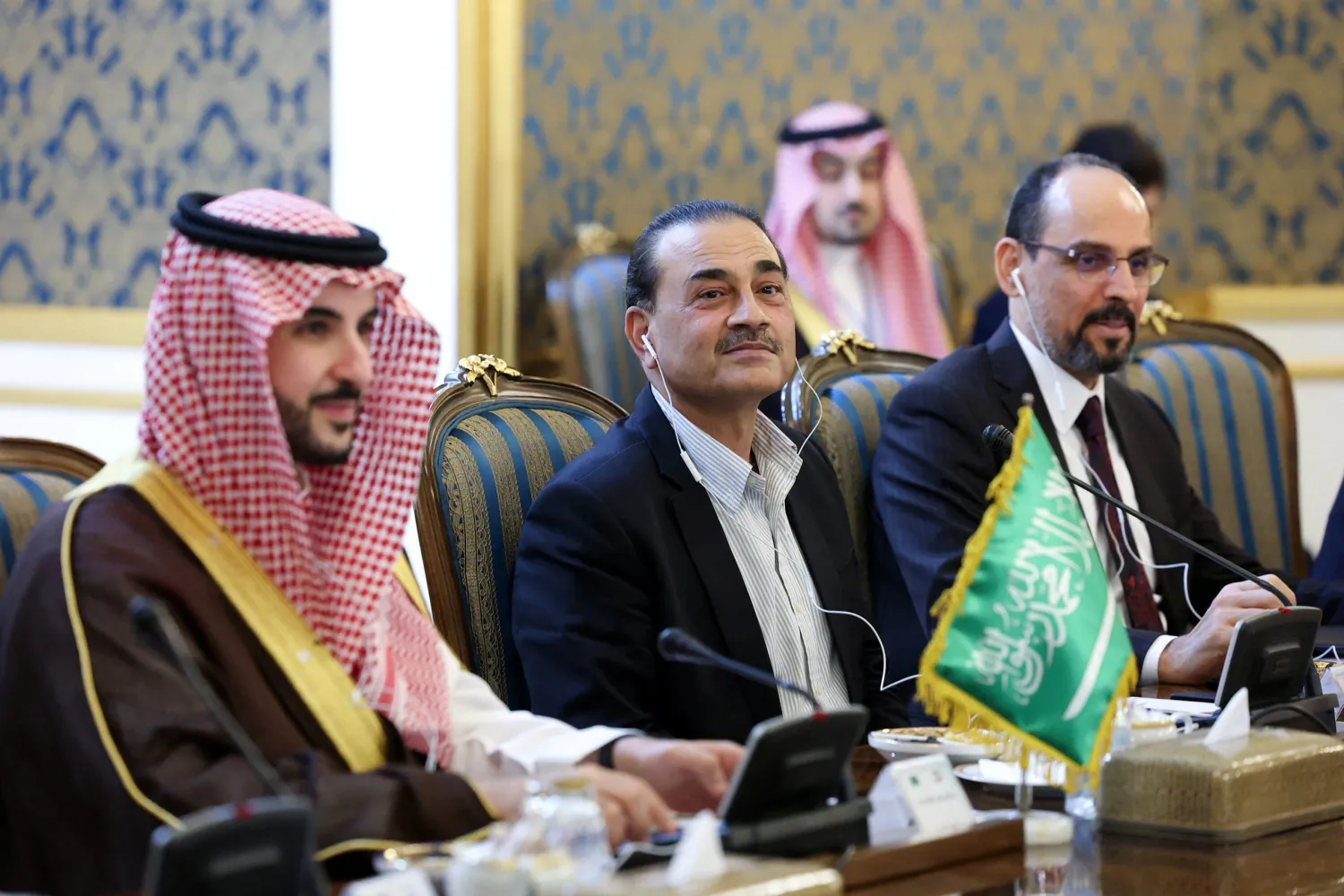
Monday's meeting brought together Saudi Defence Minister Prince Khalid bin Salman, Pakistan's army chief Field Marshal Asim Munir and Turkish intelligence chief Ibrahim Kalin.
The visiting delegation held talks with senior Iranian officials, including President Masoud Pezeshkian and Supreme National Security Council Secretary Mohsen Rezaei.
A joint statement issued after the meeting said the four countries had agreed to continue dialogue to strengthen cooperation on regional peace and security.
The agreement to maintain contact was a diplomatic development, particularly because Saudi Arabia, Pakistan and Turkey signed the Mecca Joint Defence Agreement in August.
That pact provides a framework for collective security cooperation among its members.
Their decision to engage directly with Tehran suggests that stronger defense coordination among the three countries does not necessarily prevent diplomatic engagement with Iran.
However, the joint statement did not announce a timetable for further meetings or establish a mechanism for resolving the underlying disputes.
The immediate outcome was therefore an agreement to keep diplomatic channels open, rather than a comprehensive regional security settlement.
Pakistan's Possible Role in Renewed US-Iran Negotiations
Pakistan has emerged as an important intermediary in efforts to prevent another major confrontation between Iran and the United States.
According to Reuters, a senior Pakistani official said Monday's discussions included the possibility of establishing a regional non-aggression network.
The agenda reportedly covered US-Iran negotiations, Houthi attacks on Saudi Arabia, the Strait of Hormuz and the American blockade of Iranian ports.
Another Pakistani official told Reuters that Field Marshal Munir had presented Iran with a proposal intended to address concerns on both sides of the conflict.
The official did not disclose its terms.
The same account suggested that members of the Mecca defense pact, potentially alongside Qatar, could serve as guarantors if an agreement were reached.
These proposals have not been publicly accepted by Washington and Tehran, and their practical feasibility remains uncertain.
Nevertheless, Pakistan's involvement illustrates how regional governments are attempting to create diplomatic options beyond direct US-Iran negotiations.
Houthi Attacks Threaten Saudi Arabia's Security
The diplomatic effort comes as Saudi Arabia faces renewed missile and drone attacks from Yemen's Iran-aligned Houthi movement.
Saudi-led coalition officials said three ballistic missiles targeting the kingdom's Eastern Province were intercepted on Tuesday without casualties.
The coalition also reported intercepting drones directed toward southern Saudi Arabia.
The continuing attacks complicate the regional initiative because Saudi Arabia is simultaneously pursuing negotiations and strengthening its defensive capabilities.
They also raise questions about whether a wider diplomatic arrangement could reduce hostilities involving armed groups operating outside direct government control.
A regional non-aggression framework would have limited effectiveness if attacks on Saudi territory and infrastructure continued.
For Riyadh, the success of diplomacy will therefore be measured not only by political statements but also by improvements in security.
Strait of Hormuz and Global Oil Markets
The Strait of Hormuz remains another major concern for the countries involved in the talks.
The waterway is critical to global energy supplies, and disruption to commercial shipping has affected oil markets and heightened concerns among energy-importing economies.
Oil prices remained elevated on Tuesday as investors weighed diplomatic efforts against continuing security threats.
The economic consequences extend beyond the Middle East.
Higher energy costs can increase inflationary pressures in the United States, Europe and Asia, while disruptions to shipping can affect insurance costs, freight rates and supply chains.
For Saudi Arabia and other Gulf producers, restoring confidence in maritime security is an important economic objective.
For Iran, control over access to the strait remains an element of its broader strategic position.
Any diplomatic initiative that fails to address maritime security may struggle to produce a lasting reduction in regional tensions.
What the Tehran Talks Mean for Washington
For President Donald Trump's administration, the initiative presents both an opportunity and a challenge.
Saudi Arabia is a major US security partner, Turkey is a NATO member, and Pakistan has maintained channels of communication with Washington and Tehran.
Their participation could provide additional diplomatic avenues at a time when direct negotiations remain difficult.
However, regional mediation cannot substitute for decisions by the United States and Iran on their central disagreements.
Washington would need to determine whether any proposed arrangement adequately addresses its security and nuclear concerns.
Tehran would need to decide whether the terms offer sufficient relief from military and economic pressure.
The involvement of regional governments may help narrow differences, but it cannot guarantee that either side will compromise.
Can a Regional Security Framework Emerge?
The Tehran meeting raises a broader geopolitical question: whether Middle Eastern governments can develop security arrangements that reduce the risk of conflict independently of their existing alliances.
Saudi Arabia, Pakistan and Turkey have distinct strategic interests, yet all have reasons to prevent a wider regional war.
Iran also has an interest in avoiding further military escalation while maintaining its security position.
These overlapping concerns create room for dialogue.
But significant disagreements remain over military operations, regional armed groups, maritime security and the relationship between Iran and the United States.
A durable regional framework would require more than periodic meetings. It would need clear commitments, implementation mechanisms and credible ways to address violations.
No such comprehensive arrangement has emerged from the latest talks.
Diplomacy Continues, but a Breakthrough Remains Elusive
The most important outcome of the Tehran meeting is that four influential regional countries have agreed to continue talking despite deep security disagreements.
That represents a potential opening for further diplomacy.
Yet Tuesday's developments show that the distance between diplomatic engagement and a negotiated settlement remains considerable.
Iran has maintained its conditions for ending the war, the United States has not announced a new agreement, and attacks against Saudi Arabia continue.
The next test will be whether the participating governments can turn their stated commitment to dialogue into concrete measures that reduce military escalation.
Until then, the Tehran initiative offers a diplomatic opening rather than evidence that the region is moving decisively toward peace.
Sources
Follow our reporting: Add Faultline Brief as a Preferred Source on Google →