Israeli Election Results 2026: Netanyahu's Likud Leads, but Knesset Majority Remains Out of Reach
Israeli election results show Benjamin Netanyahu's Likud ahead as votes are counted, but neither major bloc has secured a parliamentary majority. The Israeli election exit polls also pointed to a deadlock, setting the stage for difficult coalition negotiations.
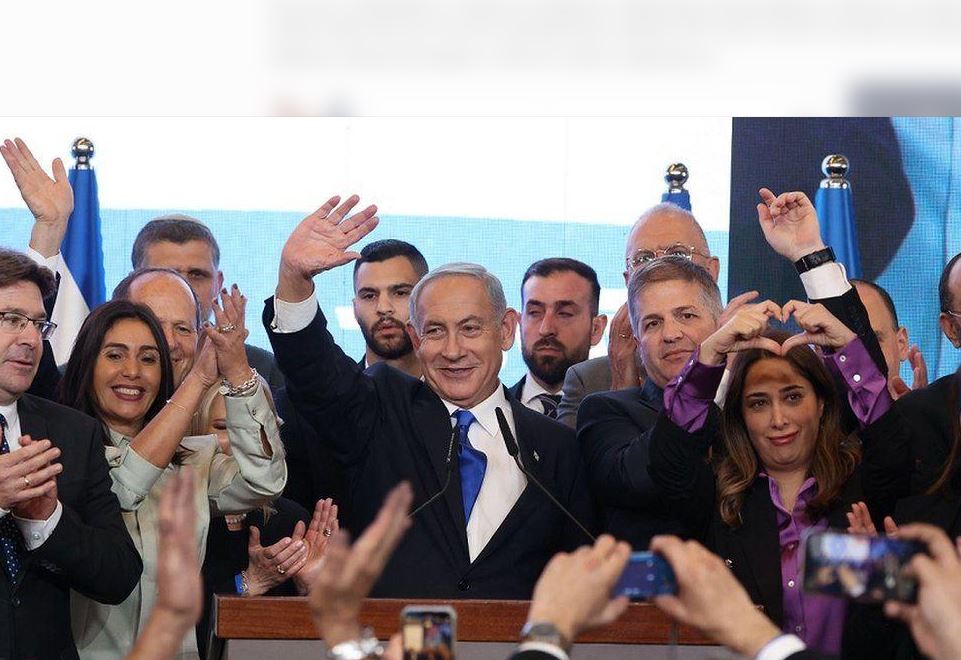
Israeli election results from the October 27 parliamentary vote show Prime Minister Benjamin Netanyahu's Likud party leading the race for the 120-seat Knesset, but the governing coalition remains short of the 61 seats required for a majority. The latest partial count shown in the accompanying election graphic puts Likud at 27 seats, ahead of Gadi Eisenkot's Yashar party on 22, while the opposition and Arab parties could play a decisive role in determining Israel's next government.
Netanyahu Leads but Faces Coalition Deadlock
The election has produced no clear winner despite Likud's lead. Earlier official partial results, reported by Israeli media with 66.2% of ballot boxes counted, projected 56 seats for Netanyahu's bloc, 48 for the main opposition bloc and 16 for Arab parties.
The newer graphic supplied with this report shows 84.5% counted and a different distribution. These figures remain provisional, and the eventual allocation of seats may change as remaining ballots are processed.
Exit Polls Predicted a Close Contest
Israeli election exit polls published after voting ended Tuesday suggested a parliamentary deadlock. Two major broadcasters projected Netanyahu's bloc and the opposition at 51 seats each, while Channel 12 gave Netanyahu's bloc a narrow advantage.
The projections reinforced uncertainty about whether Netanyahu could assemble another right-wing government or whether Eisenkot could negotiate an alternative coalition.
Arab Parties Could Influence the Outcome
Arab-led parties emerged as potentially influential players in the election. Although neither major bloc appeared able to secure an outright majority, parliamentary support or abstentions by Arab lawmakers could affect attempts to form a government.
Any such arrangement would face political obstacles, particularly because major opposition figures have expressed reservations about relying on Arab parties.
What Happens After the Election?
Once official results are finalized, President Isaac Herzog will consult political parties before selecting the lawmaker considered most likely to form a government.
Coalition negotiations could take weeks. If no candidate succeeds in assembling sufficient parliamentary support, Israel could face another prolonged political impasse or potentially another election.
Until a new government is formed, Netanyahu remains caretaker prime minister.
Sources
Follow our reporting: Add Faultline Brief as a Preferred Source on Google →