Pakistan and Qatar Offer New US–Iran Compromise Proposal Linking Frozen Funds to Nuclear Inspections
A reported proposal would give Iran access to earnings on $6 billion held in Qatar in exchange for confidential nuclear inspections, as mediators attempt to revive stalled negotiations and prevent renewed fighting.
Pakistan and Qatar have presented a new compromise proposal to the United States and Iran that would link limited financial relief for Tehran to international inspections of its nuclear facilities, according to a report published Tuesday, offering a possible opening in negotiations overshadowed by military threats and deep distrust.
The proposal, first reported by The New Arab citing sources familiar with the mediation, would allow Iran to receive interest generated by approximately $6 billion in Iranian funds held in Qatari banks. In exchange, Tehran would permit a confidential, unannounced visit by inspectors from the International Atomic Energy Agency (IAEA) to its nuclear facilities.
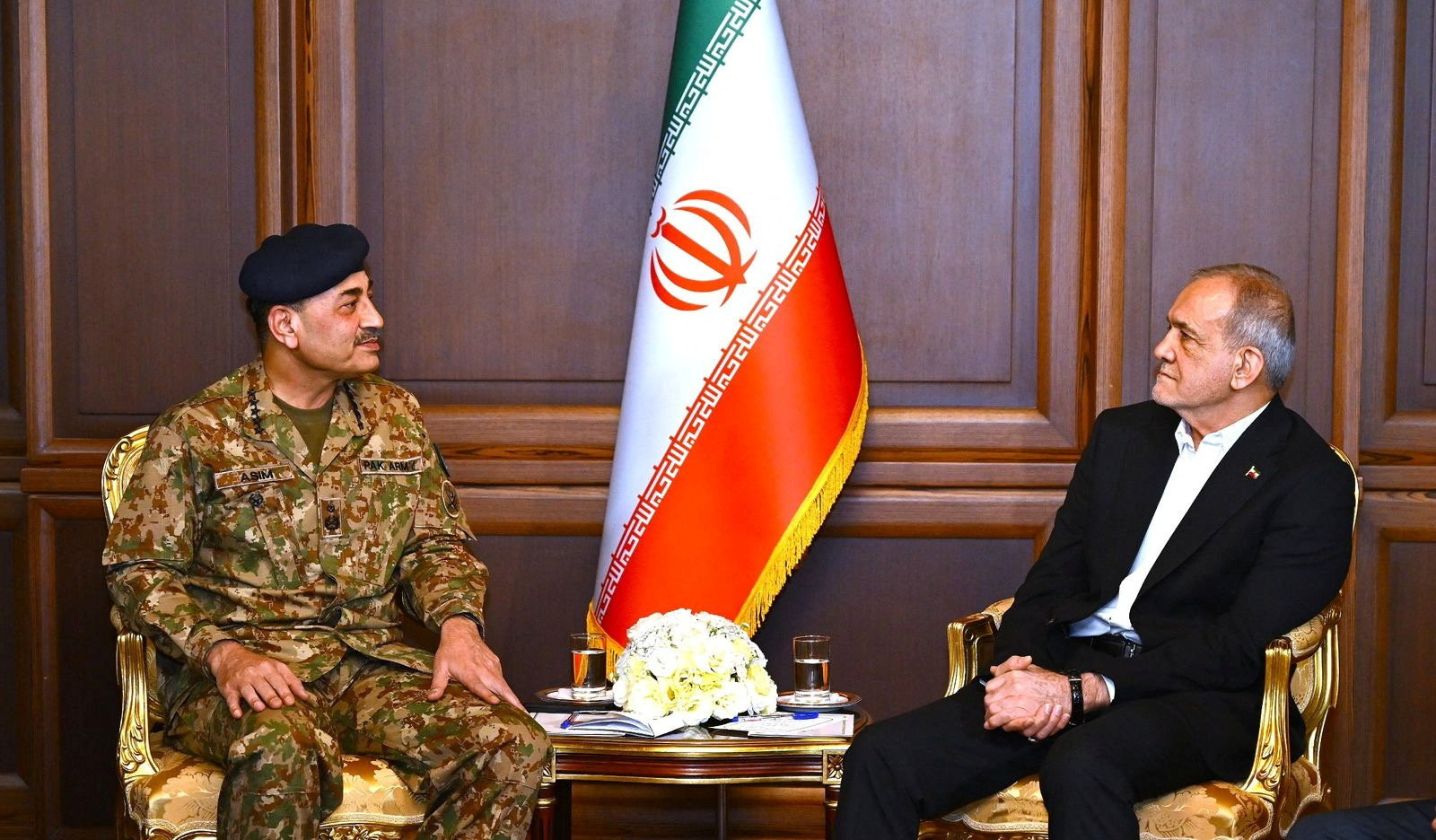
Pakistan's army chief, Field Marshal Asim Munir, reportedly conveyed the proposal to Iranian officials during his visit to Tehran on Tuesday.
The sources said Washington and Tehran had responded positively to the initiative, although neither government has publicly confirmed acceptance of the specific arrangement. The IAEA has not publicly confirmed the reported inspection terms.
The proposal represents an attempt to break a diplomatic deadlock by exchanging limited, potentially reversible concessions rather than requiring either side to accept a comprehensive agreement at the outset.
Its emergence comes as the conflict involving Iran and the United States continues to threaten regional stability, particularly around the Strait of Hormuz, where disrupted shipping has affected international energy markets.
A Compromise Built Around Two Disputed Issues
The reported arrangement addresses two central obstacles in US–Iran negotiations: Tehran's demand for access to frozen financial assets and Washington's insistence on restrictions and verification of Iran's nuclear activities.
Under the proposal, the approximately $6 billion principal would remain frozen in Qatar. Only interest or earnings generated by those funds would become available to Iran.
That distinction is significant.
For Washington, keeping the principal restricted would avoid an immediate release of the full amount while offering a limited financial concession.
For Tehran, receiving the earnings would represent a tangible economic benefit and potentially demonstrate that negotiations can produce results without requiring Iran to abandon all its demands.
The proposal's financial value would depend on the amount of interest available, the applicable restrictions and how the money could be used. Those details have not been publicly established.
The nuclear component would involve an unannounced IAEA visit to Iranian facilities, according to the report.
Such access could provide an initial confidence-building measure, although its significance would depend on which sites inspectors could enter, the scope of their activities and whether the agency could independently verify relevant nuclear materials and operations.
A single inspection would not, by itself, resolve wider questions about Iran's nuclear programme.
Why Pakistan and Qatar Are Working Together
Pakistan and Qatar have emerged as important diplomatic intermediaries between Washington and Tehran during the current conflict.
Islamabad maintains communication with Iranian leaders while also having channels to the Trump administration. Qatar has longstanding experience facilitating sensitive negotiations and hosts the Iranian funds at the centre of the latest reported proposal.
The two countries have previously worked together to support negotiations aimed at reducing military tensions and restoring diplomatic engagement.
Their involvement is not entirely new.
Earlier this year, Pakistan helped broker a ceasefire between the United States and Iran, followed by a broader negotiating framework involving Qatar.
In June, the parties agreed to a memorandum of understanding addressing issues including sanctions, maritime security and nuclear negotiations.
The framework envisioned further talks and phased steps toward resolving outstanding disputes.
However, the process failed to produce a lasting settlement, and subsequent disagreements contributed to renewed confrontation.
The latest proposal appears narrower than those earlier arrangements.
Rather than attempting to settle all major disputes simultaneously, it would establish a limited exchange intended to create conditions for further negotiations.
That could make the proposal easier to discuss, but it would also leave many of the conflict's central questions unresolved.
Asim Munir's Tehran Visit Adds Diplomatic Weight
Field Marshal Asim Munir's arrival in Tehran provides an important diplomatic context for the initiative.
The Pakistani army chief has been involved in previous efforts to reduce tensions between Iran and the United States.
His latest visit follows renewed warnings of military escalation and increased diplomatic activity involving regional and international powers.
Pakistan's position is particularly complex.
While Islamabad is seeking to facilitate negotiations with Tehran, it has also strengthened defence cooperation with Saudi Arabia, which faces attacks by the Iran-aligned Houthi movement in Yemen.
Those parallel relationships create both opportunities and constraints.
Pakistan's access to several governments involved in regional security disputes may allow it to communicate proposals across political divides.
At the same time, its expanding security commitments could complicate perceptions of its neutrality.
The success of Islamabad's mediation will therefore depend not only on its ability to deliver proposals, but also on whether Washington and Tehran regard the process as credible and sufficiently balanced.
Iran's Calculations Ahead of the US Midterms
The timing of the initiative adds another layer of uncertainty.
The United States is approaching congressional midterm elections scheduled for November 3, while President Donald Trump faces domestic pressure over the economic and political consequences of the conflict.
Reuters reported Tuesday that senior Iranian officials believe prolonging negotiations could increase political pressure on Trump before the elections.
According to those officials, Tehran remains deeply distrustful of Washington and is preparing for the possibility of renewed American or Israeli military action.
Their assessment contrasts with the more optimistic account of the latest mediation effort.
The two reports are not necessarily incompatible.
Iranian officials could be willing to consider a limited confidence-building arrangement while remaining unwilling to conclude a broader settlement before the elections.
Alternatively, the positive responses described by mediation sources may reflect a willingness to continue discussions rather than agreement on the proposal's substance.
For Washington, even a limited diplomatic advance could help demonstrate that negotiations remain possible.
For Tehran, a narrow arrangement could offer financial relief and reduce immediate military pressure without committing to a comprehensive agreement.
Whether those incentives are sufficient remains uncertain.
The Nuclear Inspection Question
The proposed IAEA visit could become the most technically sensitive element of the arrangement.
The United States has repeatedly emphasized the need for effective monitoring of Iran's nuclear activities, while Tehran maintains that its nuclear programme is intended for peaceful purposes.
The dispute involves questions about enrichment, nuclear material, inspection access and the ability of international monitors to verify Iran's declarations.
A confidential or unannounced inspection could provide information relevant to those concerns.
However, the terms would matter considerably.
The IAEA would need to determine whether the proposed access was consistent with its safeguards responsibilities and whether inspectors could carry out meaningful verification.
Confidentiality surrounding an inspection is also different from secrecy about its existence or findings.
The agency routinely protects sensitive safeguards information, but its independence and reporting obligations remain essential to the credibility of any monitoring arrangement.
Without details of the proposed inspection mechanism, it is premature to conclude that the initiative would satisfy Washington's broader nuclear demands.
The Strait of Hormuz Remains a Major Obstacle
The reported compromise also needs to be viewed against the wider conflict over maritime access and economic sanctions.
Iran has maintained leverage over the Strait of Hormuz, a vital shipping route connecting Gulf energy exporters to international markets.
The United States has imposed maritime restrictions that have further damaged Iran's oil export revenues.
Tehran has proposed reopening the strait under certain conditions, including changes to the American blockade, restrictions on Iranian exports and the treatment of frozen assets.
These demands go substantially beyond the interest payments described in the latest proposal.
Even if the two sides accepted the financial-and-inspection exchange, they would still face difficult negotiations over shipping, sanctions, security guarantees and the future of hostilities.
For Gulf countries, the stakes are particularly high.
Prolonged disruption threatens energy exports, commercial shipping and regional infrastructure.
For the wider international economy, continued uncertainty around Hormuz can influence oil prices, insurance costs and supply chains.
A limited diplomatic agreement could reduce immediate tensions, but its wider economic impact would depend on whether it led to meaningful changes in maritime security.
Can a Limited Deal Restore Trust?
The central challenge facing mediators is the severe breakdown of trust between Washington and Tehran.
Previous rounds of negotiations have been disrupted by military escalation, competing demands and disagreements over the sequence of concessions.
Iran wants credible assurances that economic restrictions will be eased and that renewed negotiations will not expose it to further military pressure.
The United States wants verifiable limits on Iranian nuclear activities and assurances that Tehran will not use negotiations simply to gain time.
The proposed arrangement attempts to address both concerns through a limited exchange.
Its attraction is also its weakness.
By avoiding the most difficult issues, the proposal may create space for talks. But it does not establish how a comprehensive agreement would be reached or enforced.
The willingness of both sides to implement even modest commitments could become an early test of whether a broader diplomatic process is possible.
What Happens Next?
Mediators reportedly hope the initiative could produce progress in the coming days.
Yet there is no publicly confirmed agreement, no announced inspection schedule and no verified mechanism for transferring earnings from the frozen assets.
Several questions remain unanswered.
Would Washington authorize the financial transfer under existing restrictions? Would Iran accept the precise scope of IAEA access? Could the agency conduct an independent inspection under the proposed terms? And would the arrangement be connected to a broader ceasefire or negotiations over the Strait of Hormuz?
The answers will determine whether the initiative becomes a meaningful confidence-building measure or another proposal overtaken by events.
For now, Pakistan and Qatar have offered a possible route around two of the most contentious issues in US–Iran diplomacy.
The proposal does not end the confrontation, and reported positive responses should not be confused with a finalized agreement.
But it illustrates an important shift in diplomatic tactics: rather than waiting for a comprehensive settlement, mediators are exploring whether smaller reciprocal concessions can reopen negotiations before the region faces another round of military escalation.
Sources
Follow our reporting: Add Faultline Brief as a Preferred Source on Google →